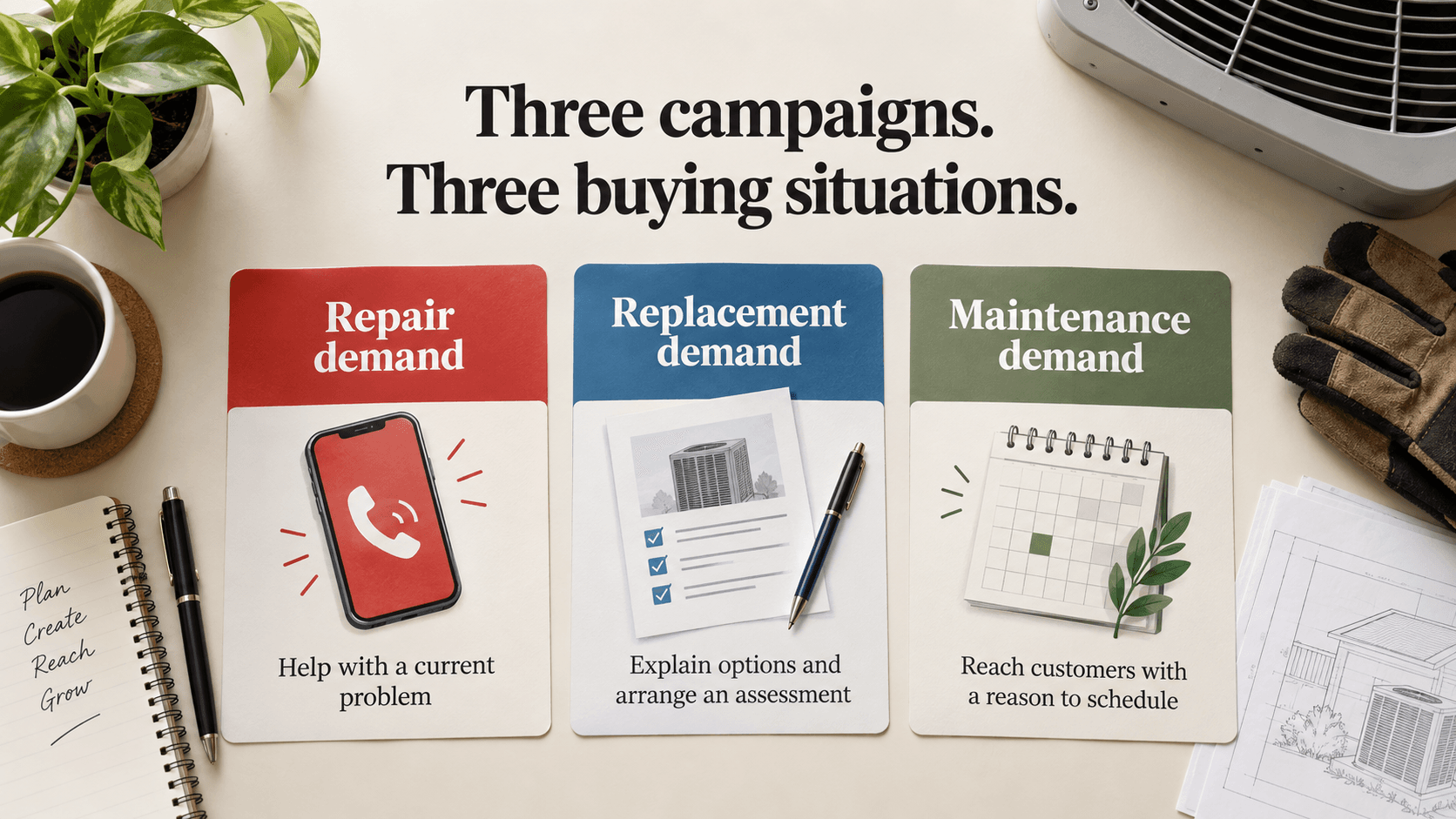
HVAC maintenance marketing starts with a customer record that gives you a reason to make contact. Separate included plan visits, appropriate seasonal service, and agreement renewals. Then match the campaign to the appointments your team can actually provide.
A blanket tune-up offer can reach people whose visit is already booked, people who already used the included service, and people whose last job still needs attention. A smaller, well-chosen list gives you a clearer campaign and fewer confusing replies.
Choose the audience before writing the message
| Audience | Record to check | Purpose of the conversation |
|---|---|---|
| Active plan with an unused eligible visit | Plan status, included service, existing bookings | Arrange the visit already available |
| Customer with an agreed seasonal check-back | Last conversation and equipment/service record | Ask whether they want to arrange the next step |
| Plan approaching a defined end date | Terms, renewal situation, customer preferences | Discuss renewal separately from scheduling |
| Past customer with an unresolved concern | Job history and open issue | Resolve the concern with a responsible person |
The fourth group should not receive the same sales campaign as the first three. A reply about a previous problem is a signal to review that problem, not an objection to overcome in a reminder sequence.
Explain why the visit is useful
ENERGY STAR recommends pre-season professional check-ups for heating and cooling equipment. Use that as educational context while respecting the equipment record, manufacturer guidance, and the qualified team’s recommendations. Do not tell every customer that their system is overdue because an arbitrary number of months passed.
Describe the service your company actually provides and what is included. If the customer has a plan, say whether the visit is included. If you are making a paid offer, make the terms clear. Avoid a discount headline that leaves the homeowner unsure whether they are buying a plan, booking service, or renewing an agreement.

Keep service-plan scheduling separate from renewal
Housecall Pro’s service-plan guidance distinguishes reminders for scheduling eligible visits from reminders around plan renewal. That difference should survive in your own campaign list and customer conversation.
Check the current product controls before designing a campaign around them. A native reminder, a manually sent text, and an email campaign may have different editing, eligibility, and stopping behavior. Confirm what your account can do instead of assuming the same template can be pasted into every feature.
Arrange an included plan visit
Hi [Name], this is [Company]. There’s a [named visit] available to arrange under your current service plan. Would you like us to check suitable times for you?
Reconnect at an agreed date
Hi [Name], you asked us to check back around [month] about [specific service]. Would you like to arrange a visit, or is another time better?
Open a separate renewal conversation
Hi [Name], your [plan name] is approaching [confirmed end date]. Would you like the office to explain the current renewal options? We can also check any visits still available under your existing plan.
Use these only after checking the record and your approved contact process. Do not insert an end date for a plan that does not have one.
Size the campaign to the schedule
Start with the available visit type, service area, and realistic capacity. Include the time needed to answer replies and resolve questions. A campaign that produces appointments the scheduler must immediately move has not created a good customer experience.
For a pilot, choose a small eligible group and inspect every reply. If customers ask whether the visit is already booked, clarify the invitation. If they report a current equipment problem, move them into the appropriate service conversation. If they ask about plan terms, route the question to someone who can explain them.
The right batch size comes from your own response history and capacity. Do not send a large campaign simply because the contact list is large. Pause or adjust the campaign when the available schedule changes.
Treat the reply as the start of the work
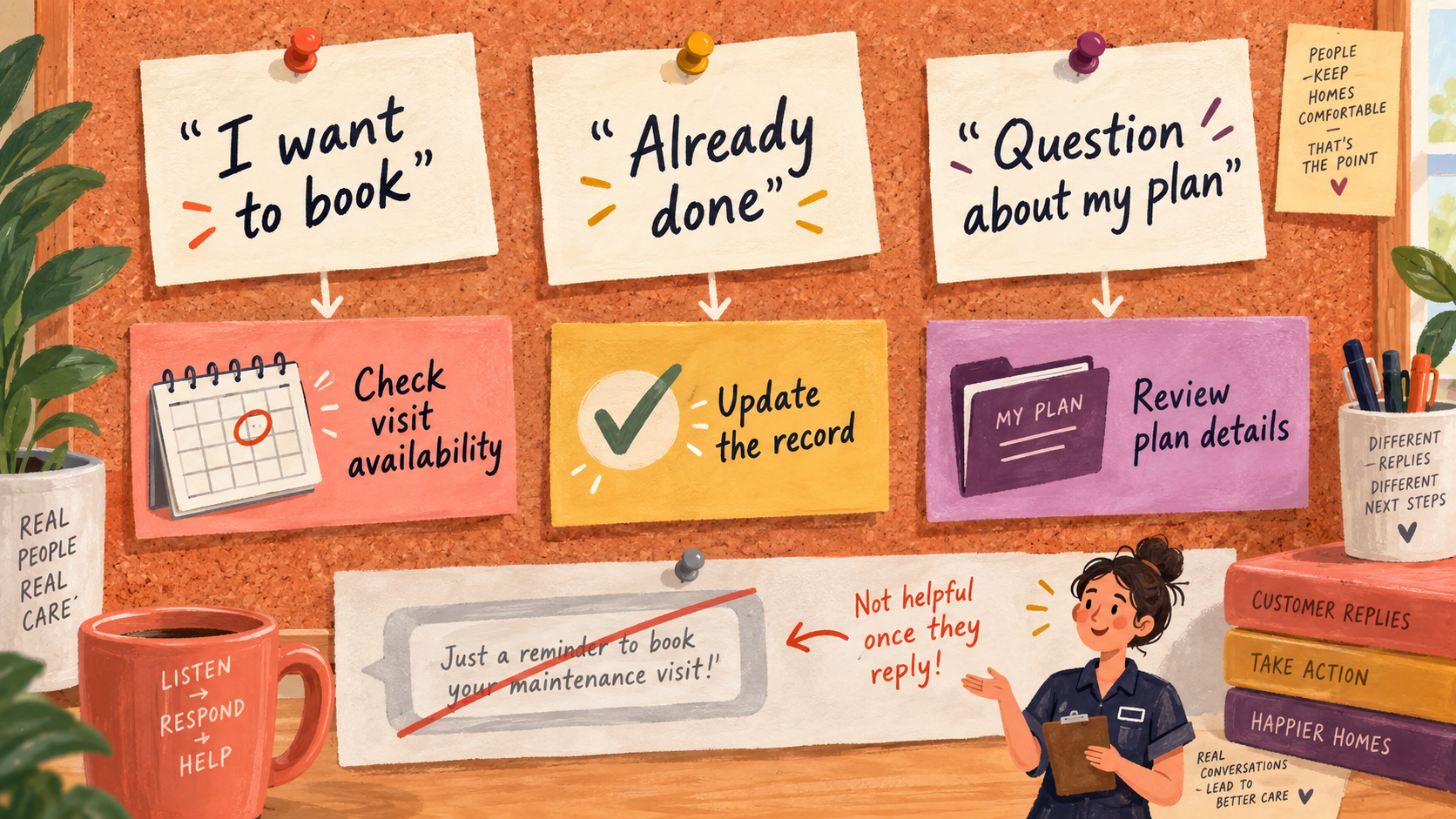
A customer may want to book, delay, decline, or discuss a different issue. Give each reply an appropriate action and update the original record. A generic no-response reminder should stop once a real conversation is under way.
Use the lead-conversion framework to distinguish a message received from a confirmed appointment. Keep the relevant plan and service context visible to the person handling the reply so the customer does not have to explain the campaign back to your office.
Measure incremental work carefully
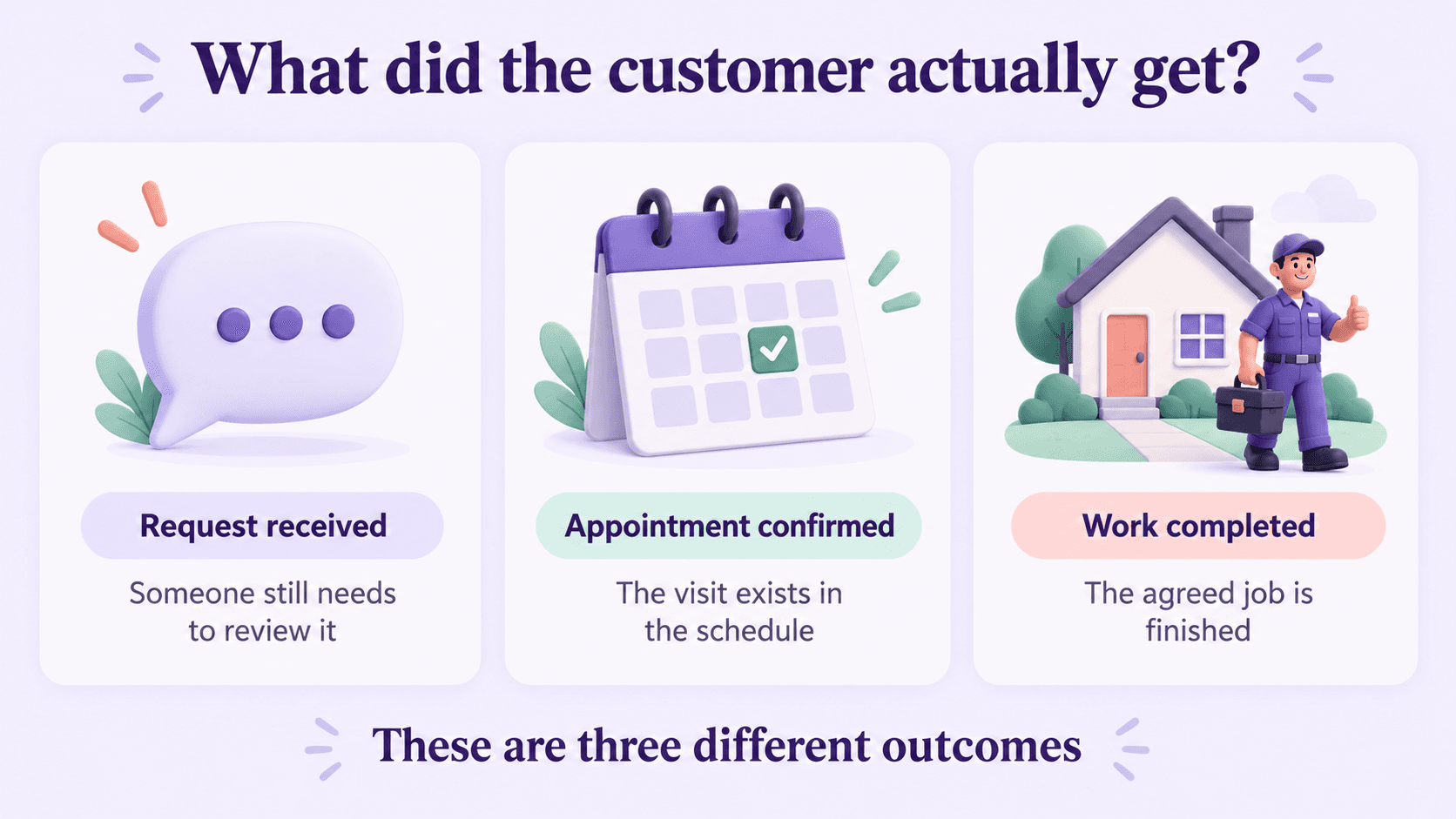
Track eligible contacts, replies, confirmed visits, completed visits, and renewals separately. Included plan service and a new membership are different outcomes. A customer who was already scheduled should not be counted as a new booking created by the campaign.
When practical, compare similar eligible groups or a comparable prior campaign, noting seasonality and capacity differences. Do not claim every booking after a message was caused by the message. Some customers would have booked anyway.
Jobber’s 2026 trends report discusses repeat work and digital marketing in an owner survey. That supports treating retention as an important business question, but it does not give your particular campaign an expected return. Use your own outcomes and explain the measurement rule.
Build the next campaign from what you learned
Read the questions customers asked. Confusion about plan coverage belongs in the offer explanation. Repeated scheduling conflicts belong in campaign timing or available windows. A group asking about replacement should enter an appropriate assessment conversation, not remain in a maintenance reminder queue.
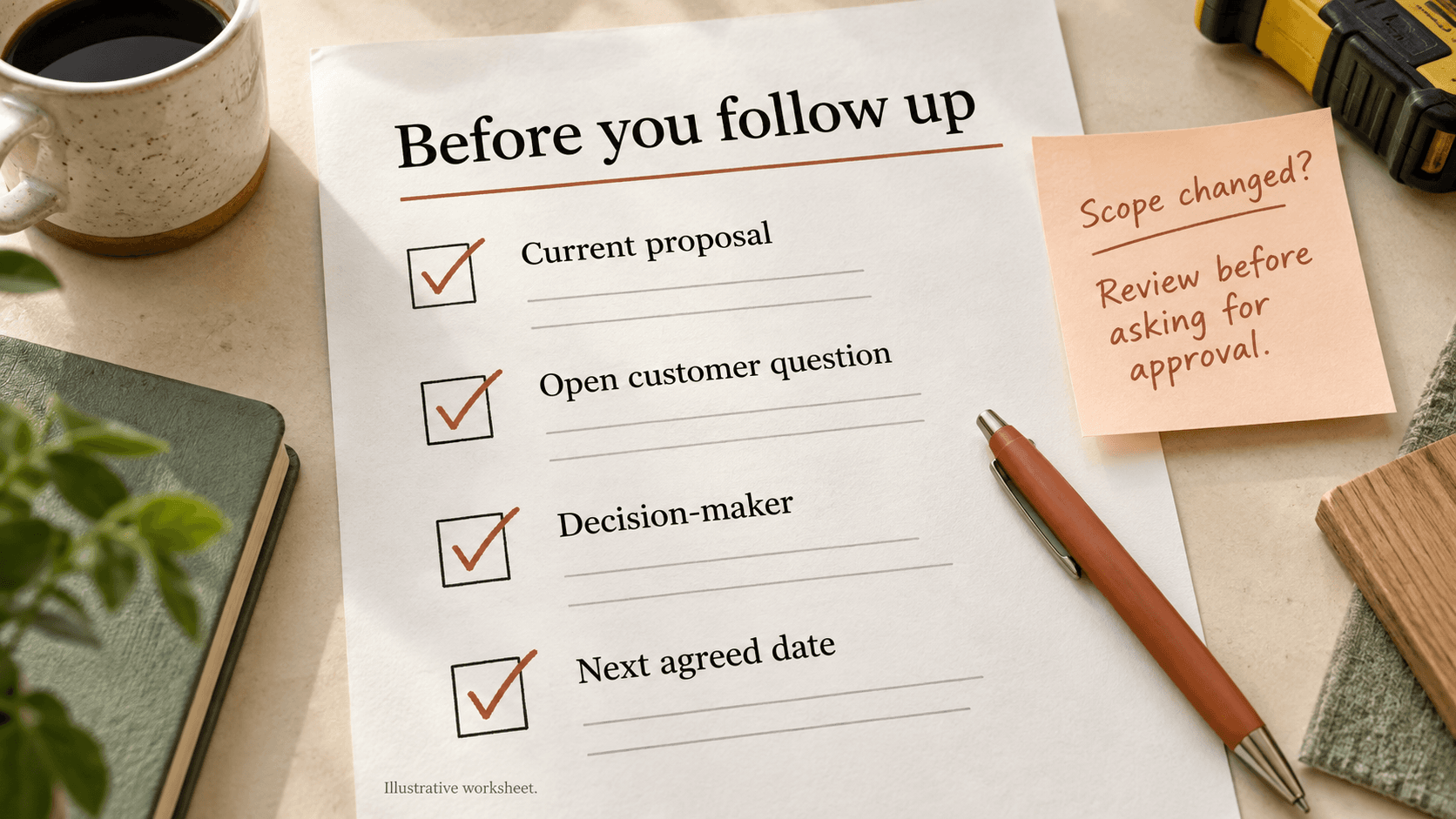
Connect maintenance campaigns to the broader HVAC marketing strategy. If a conversation produces a proposal, continue through the estimate follow-up process. The campaign should move with the customer’s situation.
Frequently asked questions
Should we offer a discount to every past HVAC customer?
Start with the reason for contact and the service being offered. Some customers already have an included visit; others need a different conversation. A blanket discount can make the offer less clear and is not a substitute for audience selection.
Can we use the same message for maintenance and renewal?
Keep them distinct. Scheduling an available visit and deciding whether to renew a plan require different information. If both are relevant, explain them clearly and give the customer a way to ask about the terms.
What if the customer says the work is already done?
Thank them, update the record, and remove reminders for that work. Check for duplicate records or a booking recorded through another channel before the next campaign.
Sources and further reading
Sources checked . Check current plans and documentation before choosing a service.